Compare Local Contractors for Brick Column Installation Success
Compare local contractors for brick column installation to define project scope, verify experience, and set clear expectations for a successful build.
Brick columns are a popular architectural feature that can enhance the aesthetic appeal and structural integrity of a property. Installing these columns typically involves tasks such as preparing the foundation, selecting and shaping the bricks, and securely anchoring the columns to existing structures or foundations. Depending on the design, contractors may also incorporate decorative elements like caps or detailing to match the property's style. Clear communication about the scope of work ensures that property owners understand what is included, whether it involves simple installation or more complex features like custom designs or reinforcement.
Defining the scope of brick column installation is crucial for setting realistic expectations and avoiding misunderstandings. Property owners should specify the size, location, and design preferences for the columns, as well as any additional features or structural considerations. Outlining these details in writing helps ensure that both parties have a shared understanding of the work involved. It also provides a reference point for discussions about the project, making it easier to address any changes or concerns that may arise during the process.
When comparing local contractors for brick column installation, property owners should consider experience, reputation, and the scope of services offered. Verifying a contractor’s previous work or seeking references can provide insights into their expertise and reliability. It’s also helpful to review the details of what each service provider includes in their scope of work, ensuring consistency and clarity. By evaluating these factors and asking questions about their process, property owners can make informed decisions and choose a contractor who aligns with their project needs and expectations.
Compare local contractors by outlining project priorities, verifying experience, and setting clear expectations in writing.
- Verify Experience and Credentials - Ensure contractors have relevant experience in brick column installation to meet project standards.
- Define Project Scope Clearly - Outline specific requirements and expectations to facilitate accurate comparisons between service providers.
- Request Written Estimates and Agreements - Obtain detailed, written documentation of the scope, materials, and responsibilities for clarity.
- Compare Local Contractors Carefully - Evaluate multiple service providers based on expertise, reputation, and how well they understand project needs.
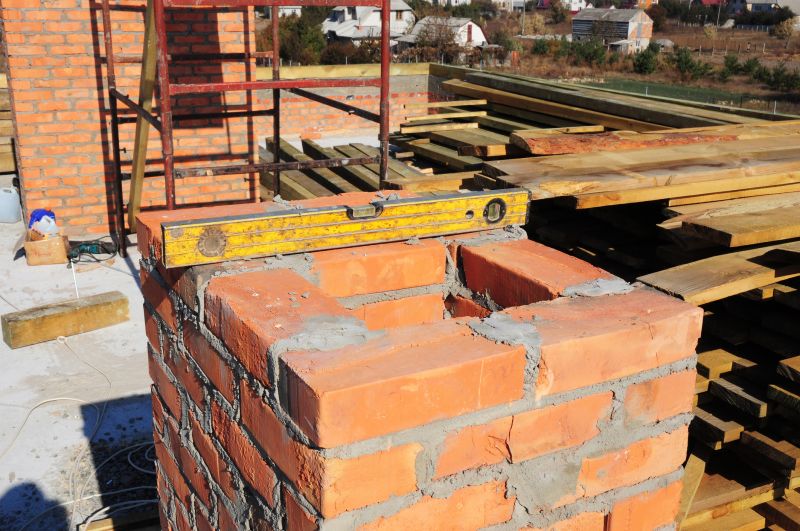
Clearly describe your brick columns project to help local contractors understand your needs and compare their expertise effectively.
- Verify that contractors have experience specifically with brick column installation and can provide references of past projects.
- Compare the scope of work outlined by different service providers to ensure all aspects of the installation are clearly defined.
- Ensure that detailed project plans and expectations are documented in a written agreement before beginning work.
- Check that local contractors are knowledgeable about proper bricklaying techniques and structural requirements for columns.
- Assess the credentials and reputation of service providers through reviews or recommendations from previous clients.
- Confirm that contractors use quality materials and follow industry best practices for durable and safe brick columns.
Compare local contractors’ experience, clarify scope, and set clear expectations in writing for brick columns.




To ensure consistent comparisons, focus on defining scope, verifying experience, and setting clear expectations with local contractors.
- Scope Definition - Clearly outline the specific tasks and responsibilities involved in brick column installation to ensure mutual understanding.
- Material Specifications - Specify the types, quality, and finishes of bricks and mortar to be used for the project.
- Experience Verification - Confirm that the service providers have relevant experience with brick column construction and installation.
- Worksite Expectations - Describe the site conditions, access requirements, and any preparatory work needed prior to installation.
- Written Agreement - Ensure all project details, scope, and expectations are documented in a comprehensive written contract.
When evaluating contractors for brick columns installation, it’s important to consider their experience with similar projects. Homeowners should inquire about the types of brick columns the contractors have previously built, including the styles, sizes, and materials used. A contractor with a proven track record in installing brick columns comparable to the desired outcome is more likely to understand the unique challenges and requirements of the project. Reviewing portfolios or requesting references can provide insights into their familiarity with this specific type of work, helping to ensure the chosen service providers have relevant hands-on experience.
A clear, written scope of work is essential for setting expectations and avoiding misunderstandings. Homeowners should seek detailed descriptions of the project, including the materials to be used, the extent of work involved, and any specific design features or finishes. Having this information documented helps ensure that both parties are aligned on the project’s goals and deliverables. Service providers who can articulate a comprehensive scope demonstrate professionalism and a thorough understanding of brick columns installation, making it easier to compare options based on the clarity and completeness of their proposals.
Verification of a contractor’s background should include confirming their familiarity with local building codes and standards relevant to brickwork. Homeowners can ask service providers about their approach to ensuring quality and durability, such as methods for foundation preparation, bricklaying techniques, and finishing details. While formal licensing is not discussed here, verifying that contractors follow recognized best practices and have a solid understanding of structural integrity can help identify those capable of delivering reliable results. Clear communication about these basics can serve as a useful benchmark when comparing different local contractors.
When assessing options, it’s helpful to evaluate how each contractor presents their approach and professionalism in their proposals. Look for detailed descriptions of the work process, materials, and any warranties or guarantees offered-if applicable. Comparing how thoroughly each service provider explains their methodology can reveal their level of expertise and commitment to quality. It’s also beneficial to ask about their process for handling unforeseen issues or changes to the scope, ensuring that expectations are well-defined and manageable. This approach allows homeowners to make informed decisions based on the clarity and professionalism demonstrated in each contractor’s presentation.
Ask contractors to provide written scope details to ensure clear expectations and consistent project understanding.
- Experience and Expertise - What specific experience do the local contractors have with brick column installation projects?
- Scope of Work - How do contractors define and clarify the scope of the brick columns installation before starting the work?
- Material and Design Options - What materials and design choices do the service providers recommend for your project?
- Project Expectations - How do contractors outline the expected deliverables and standards in writing before beginning work?
- Comparison Criteria - What factors should be used to compare different local contractors beyond pricing and timelines?
What should I consider when choosing a contractor for brick column installation? It's important to compare local contractors based on their experience, reputation, and scope of services to ensure they can meet your project needs effectively.
How can I verify a contractor's experience with brick columns? You can review their portfolio, ask for references, and inquire about similar projects they have completed to assess their expertise in brick column installation.
What details should be included in a written scope of work? A comprehensive scope should specify the materials, design specifications, number of columns, and any additional work or finishes to set clear expectations.
Why is it important to compare multiple contractors before hiring? Comparing different service providers helps identify those with relevant experience, clear communication, and a professional approach suited to your project requirements.
How can I ensure a contractor understands my project expectations? Clearly communicate your design preferences, scope of work, and any specific requirements, and request the contractor to confirm these details in writing.
What questions should I ask contractors during the selection process? Ask about their previous experience with brick columns, the materials they recommend, how they handle project scope, and how they ensure quality and durability in their work.
Understanding the key aspects of brick column installation can help in making informed decisions when choosing a contractor. Visitors have learned how to clearly define the scope of work, verify the experience of service providers, and set expectations in writing to ensure the project aligns with their needs. Comparing local contractors through these steps allows for a more confident selection process tailored to specific project requirements.
Using the quote form provides an effective way to explore and compare options available in the area. Connecting with qualified local contractors enables a better understanding of the services they offer, helping to identify the best fit for the project. Taking the time to evaluate and communicate expectations can support a smooth and successful installation process.